A simple stopwatch, introduced then set aside, gives the sense of fair rules and illusion of even time, helping participants feel secure.
These foundations support confidence and help with acquiring of the skills to join larger social groups.

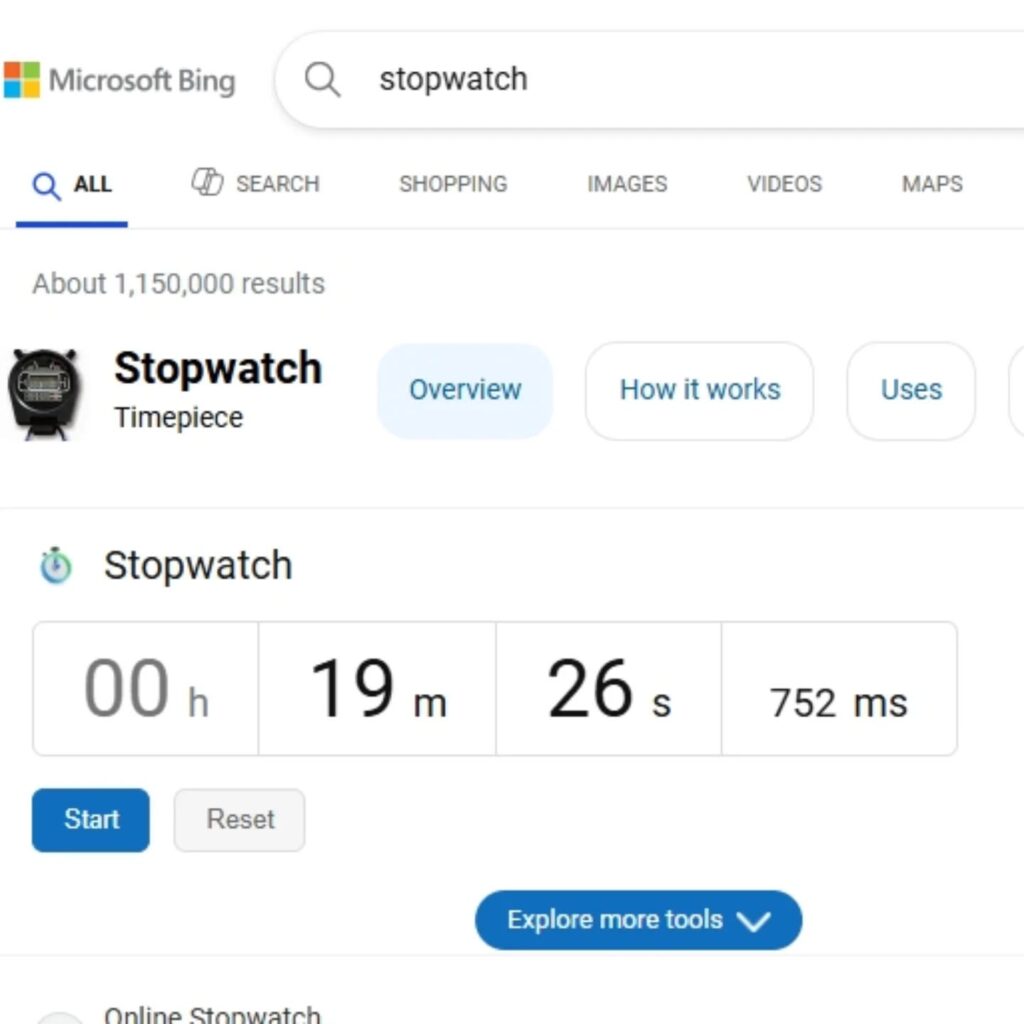
A simple stopwatch, introduced then set aside, gives the sense of fair rules and the illusion of even time, helping participants feel secure. In therapeutic or recreational roleplaying sessions, this small gesture can have a profound impact. For children and young people with AuDHD or PDA profiles, the perception of fairness and predictability is often more important than strict enforcement of rules. The stopwatch becomes a symbol: time is being noticed, shared, and respected, even if it is not rigidly controlled.
This sense of structure lays the groundwork for confidence. When participants feel that the environment is safe and equitable, they are more willing to take creative risks, contribute ideas, and engage with others. The stopwatch, though unused, reassures them that boundaries exist and that everyone’s voice will be heard. It transforms play into a secure space where imagination can flourish without fear of being rushed or overlooked.
These foundations support the acquisition of vital social skills. Roleplaying games naturally encourage turn‑taking, listening, and collaboration. By embedding subtle cues of fairness—like the presence of a stopwatch—facilitators help children practice these skills in a low‑pressure setting. Over time, the confidence gained in small group play can extend outward, equipping participants to join larger social groups with greater ease.
Positive gaming is not about enforcing strict rules but about creating environments where neurodivergent players feel valued and supported. Simple tools, symbolic gestures, and thoughtful design can transform a session into a powerful learning experience. By blending creativity with gentle structure, facilitators empower children to build resilience, develop social confidence, and discover the joy of shared storytelling.
In the end, it’s not the stopwatch itself that matters—it’s the security it represents, and the doors it opens to connection.