Finding the right NDIS provider can make a significant difference to the support someone receives.
With so many different services and organisations available, it can be difficult to know where to start.
Some providers specialise in personal care, others offer therapy, support coordination, transport, community participation or assistance with everyday activities.
The important thing is finding support that reflects the participant’s individual needs, interests and goals.
What is an NDIS provider?
An NDIS provider is a person, business or organisation that delivers supports or services to NDIS participants.
Providers can offer a wide range of services, including:
- Assistance with daily living and personal care.
- Support with accessing the community.
- Social and recreational activities.
- Assistance with developing everyday skills.
- Allied health and therapeutic services.
- Support coordination and plan management.
Not every provider offers the same services, and not every provider needs to be registered with the NDIS.
Registered and unregistered NDIS providers
One of the first things to understand when looking for an NDIS provider is the difference between registered and unregistered providers.
Registered providers have completed the NDIS registration process and must meet relevant requirements set by the NDIS Quality and Safeguards Commission.
Unregistered providers have not completed that registration process.
Participants who are self-managed or plan-managed can generally choose between registered and unregistered providers for most supports, subject to specific exceptions.
Participants whose funding is NDIA-managed must generally use registered providers for their funded supports.
This distinction is important when choosing a smaller independent support worker or business.
What should you look for in a provider?
A good provider should understand the participant as an individual, rather than simply matching them to a standard service.
Consider asking:
- What experience do you have supporting people with similar needs?
- Can the service be adapted to suit the participant’s abilities?
- What happens if the participant’s interests or support needs change?
- Is the service individual or group-based?
- How are support hours, travel and cancellations handled?
- What qualifications and experience does the worker have?
It is also worth considering whether the provider offers something the participant actually wants to do.
Disability support should include recreation
A meaningful life involves more than appointments, daily tasks and assistance with essential activities.
People with disability also need opportunities to develop interests, enjoy hobbies, make friends and participate in their communities.
At Game Therapy, I approach disability support from a recreational therapy perspective.
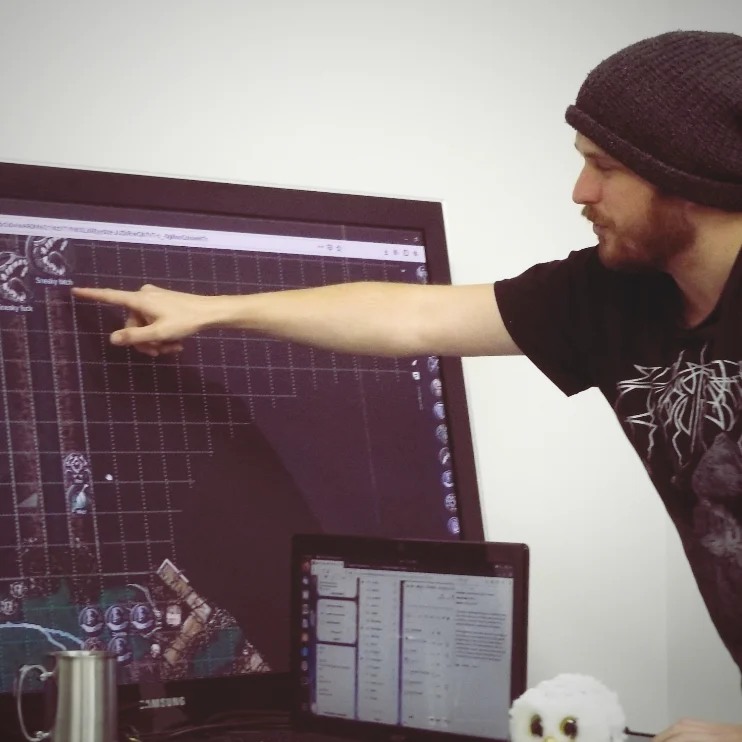
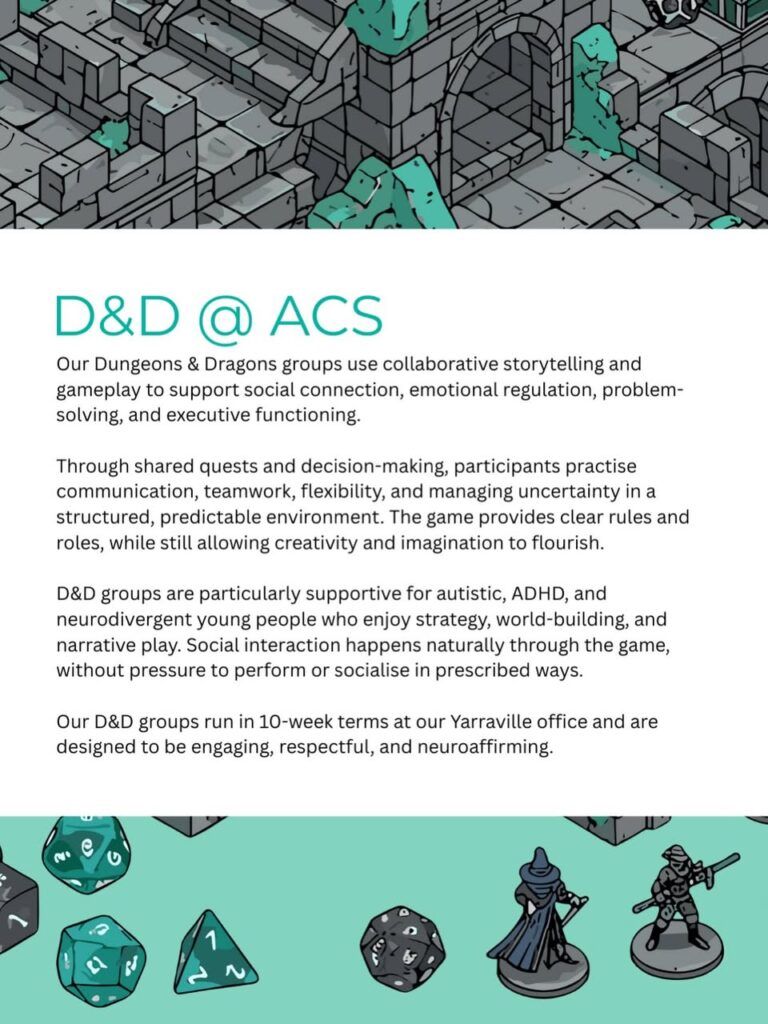
I use existing games and recreational activities to create opportunities for participation. This can include adapting Dungeons & Dragons, board games and Star Wars: X-Wing to suit someone’s physical, cognitive, communication or social abilities.
A game might be simplified, the rules changed, the components adapted or the pace adjusted. The intention is to make the experience accessible without taking away the person’s opportunity to make meaningful choices.
This approach can suit people with a range of disabilities, including cerebral palsy, acquired brain injury, autism and psychosocial disability.
NDIS funding for community and recreational support
Depending on the participant’s plan, disability-related assistance to access activities may be funded through:
Core – Assistance with Social, Economic and Community Participation (Category 04)
Relevant support items include:
04_104_0125_6_1– Access Community Social and Recreational Activities, Weekday Daytime.04_103_0125_6_1– Access Community Social and Recreational Activities, Weekday Evening.04_105_0125_6_1– Access Community Social and Recreational Activities, Saturday.04_106_0125_6_1– Access Community Social and Recreational Activities, Sunday.04_102_0125_6_1– Access Community Social and Recreational Activities, Public Holiday.
For group-based participation, relevant items include:
04_102_0136_6_1– Group Activities, Weekday Daytime.04_103_0136_6_1– Group Activities, Weekday Evening.04_104_0136_6_1– Group Activities, Saturday.04_105_0136_6_1– Group Activities, Sunday.04_106_0136_6_1– Group Activities, Public Holiday.
The appropriate item depends on the actual support delivered and the participant’s plan. These items relate to assistance with participation, not automatically the cost of the activity, equipment or hobby materials.
Independent disability support in Melbourne
Game Therapy provides disability support informed by recreational therapy, with a focus on meaningful activities, individual interests and community participation.
I work with people with different disabilities and support needs, adapting activities to suit the individual rather than expecting everyone to participate in the same way.
I believe people shouldn’t have to put their interests aside to receive disability support. Their interests can be the starting point.
If you’re looking for disability support that includes recreation, hobbies and opportunities for social connection, Game Therapy may be worth considering.