Educational Resources
The following published resources have been essential to my development as a proponent of game therapy. This is not an exhaustive list of everything that exists in this field – this is the list of … Read more
The following published resources have been essential to my development as a proponent of game therapy. This is not an exhaustive list of everything that exists in this field – this is the list of … Read more
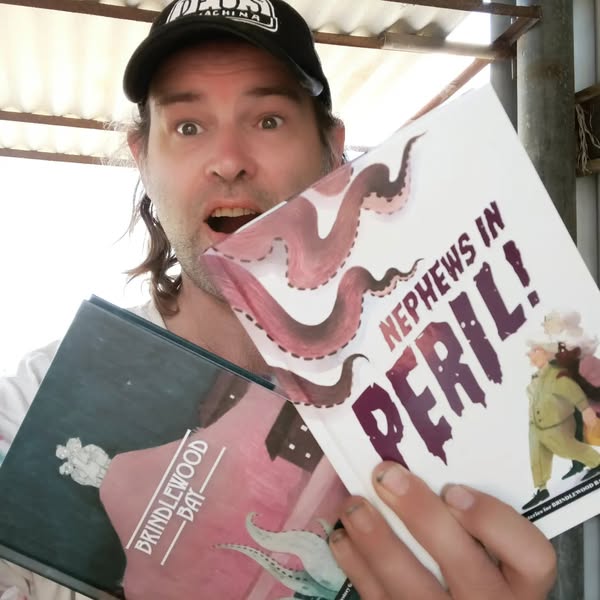
When I worked in agedcare as a diversional therapist, I backed this kickstarter project. It’s essentially a murdershewrote roleplayinggame with a bit of lovecraft thrown in. I’ve had the ebooks for yonks, but just had … Read more
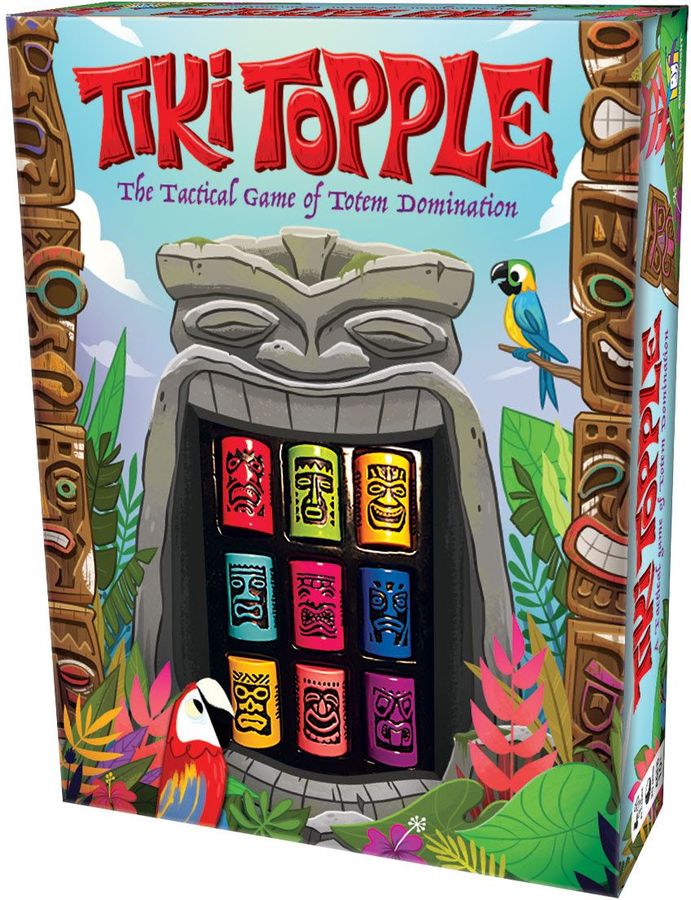
Living with Parkinson’s can feel isolating. Tabletop games re-focus attention on shared goals. Moving game pieces, rolling dice, and storytelling can help maintain fine motor skills. Group play is a reason to get together, breaking … Read more

2024: Year of the Mod Podge #gametherapy#rectherapy#wellbeing#hobby#craft#art#terrain#tabletop#view#modpodge#game#therapy
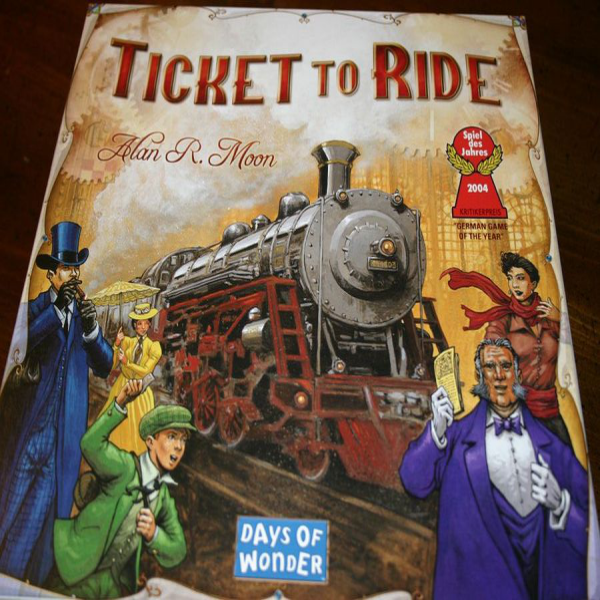
As diversional therapists we know that when a loved one enters the early stages of dementia, meaningful recreation takes on real therapeutic value. Board games, role-playing games and online adaptations provide not only cognitive stimulation … Read more

Carers and parents are pivotal in connecting teens to hobby communities. Start by mapping interests (RPGs, minis, strategy), checking BoardGameGeek to find locally popular titles, and choosing initial formats (one-shot RPG nights, cooperative board games). … Read more

Elodie Lloyd (they/them) is my assistant in my daytime #DND program for #ASD kids (10-17) who are #schoolrefusers presenting with #PDA and# RSD. They also run Asperger Victoria’s Women’s & Nonbinary DND group. Not only … Read more
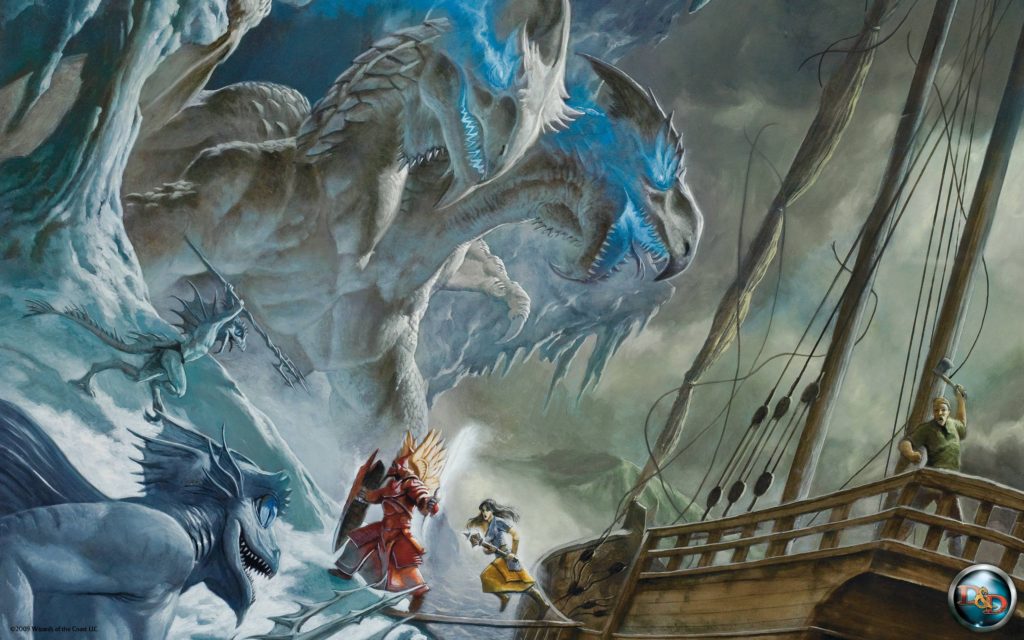
Roleplaying games offer small, attainable goals. Joining a game doesn’t always require much energy, but little wins—solving a puzzle, saving a friend—give a boost. Play is flexible; participation adapts to mood. Remote play is a … Read more

Narrative games require imagination, not perfect eyesight. Group story means talking, listening, and visualizing rather than reading lengthy rules. Adaptations—like large-print sheets, audio aids—let everyone keep up. Online gaming allows custom screen setups—high contrast, magnification, … Read more
Epilepsy causes seizures, which can be unpredictable. Stigma, safety, and focus issues challenge participation in traditional activities. Narrative role-playing breaks the mold. Sessions can pause for safety; stories continue where they left off. The social … Read more
Multiple Sclerosis (MS) creates periods of fatigue, weakness, and unpredictable symptoms. Energy and movement can vary daily. Tabletop roleplaying is energy-friendly. Participation is flexible, and social connection grows regardless of physical skill. When fatigue hits, … Read more
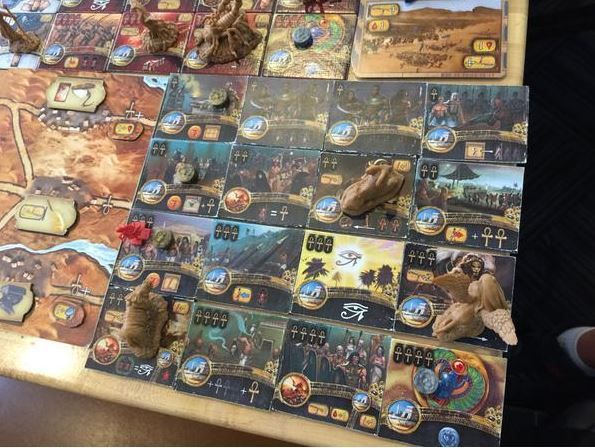
Generalised Anxiety Disorder (GAD) makes even simple situations stressful. Worry and tension can affect every part of life. Roleplaying games allow practice in handling stress, but within a playful and planned setting. Story prompts can … Read more
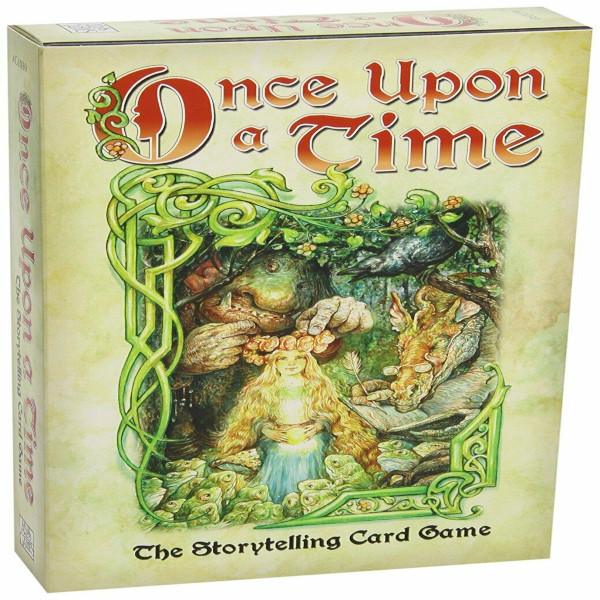
Obsessive Compulsive Disorder (OCD) brings persistent thoughts and urges—habits that can interfere with daily life. Tabletop games bring structured challenge; routines and rituals can be safely explored and practiced through story. Game rules reward order … Read more
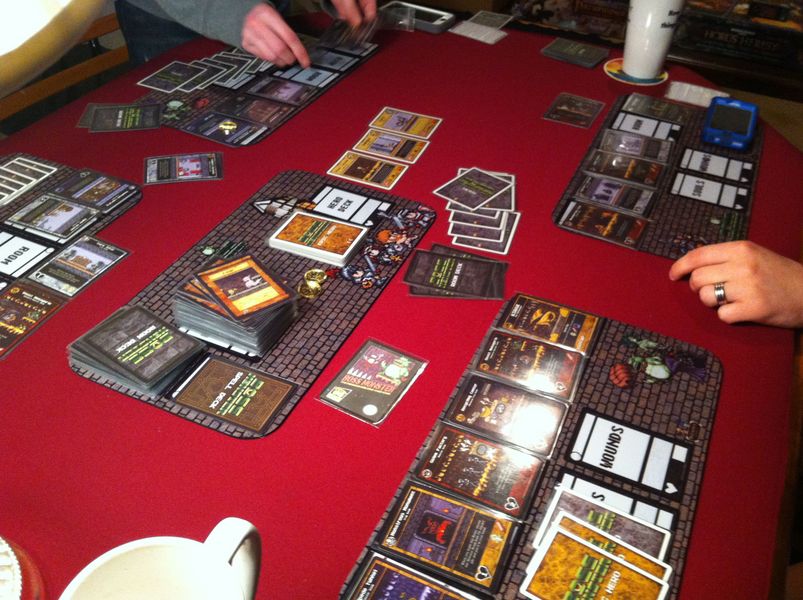
Sensory Processing Disorder means the brain has trouble dealing with everyday sights, sounds, smells, or movement. Crowds, bright lights, and noise can feel overwhelming. Narrative games cater to comfort. Play happens in controlled environments, and … Read more
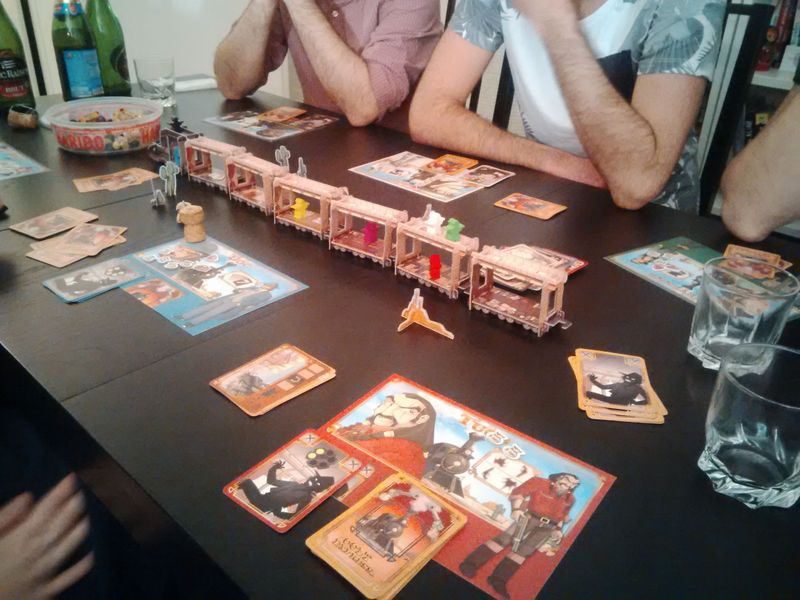
Aphasia is difficulty with language after a brain injury or stroke. Speaking, reading, or writing can be hard, but meaning and intelligence are as strong as ever. Tabletop storytelling lets players use gestures, pictures, and … Read more
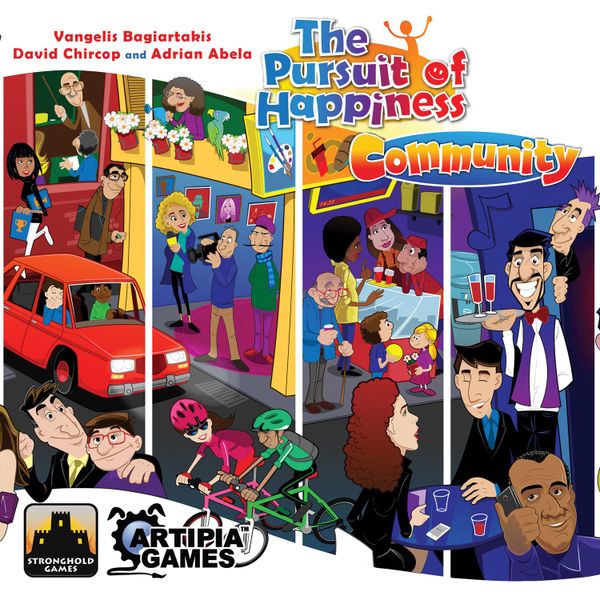
Tabletop roleplay creates safe challenges. Children (and grown-ups) control their stories and practice new endings. Group sessions validate experience, promote gentle teamwork, and transform threat into opportunity. Online options mean children join at their pace, … Read more
Intellectual disability covers a range of functioning. Learning, problem-solving, and social interaction can all require tailored approaches. Roleplaying games can be adapted for any skill level: simplified rules, visual aids, and assisted storytelling support participation. … Read more

Accessibility Improvements in Star Wars: X-Wing Miniatures Game — From 1st to 2nd Edition When Star Wars: X-Wing Miniatures Game first launched in 2012, it was celebrated for its detailed models and engaging, fast-paced dogfights. … Read more
For older adults, especially those participating in community health programs, social connection is often as important as the games themselves. Game sessions can become a space not only for cognitive stimulation but also for emotional … Read more

Introducing older adults to new games can be both rewarding and challenging. Games offer cognitive stimulation, social connection, and emotional engagement, but initial hesitation is common. Many seniors may feel unsure about learning unfamiliar rules, … Read more
Learning to play new games can be daunting for anyone, but it can be especially challenging for individuals with health issues, whether physical, cognitive, or emotional. Reticence — a reluctance to participate due to fear … Read more
1. Therapy A classic conversation and trivia game that walks players through life’s stages (childhood to old age). Often used in counselling or social skills development to promote reflection and empathy.Target group: Adults and older … Read more
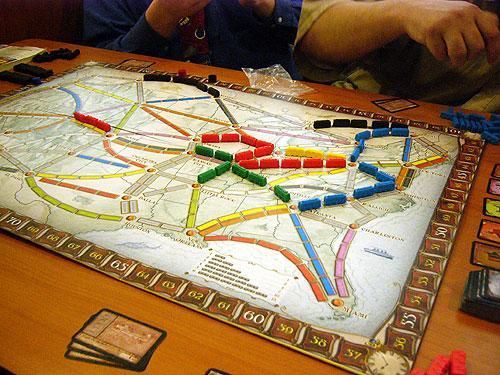
Board games are more than just a source of entertainment — they can foster social skills, patience, problem-solving, and emotional resilience. For caregivers, introducing children to board games is an excellent way to nurture connection, … Read more