Finding the Right Activities for Autistic Children
Finding activities for autistic children can sometimes be harder than parents expect.
Traditional after-school activities often revolve around team sports, structured lessons and large social groups. While these work wonderfully for some children, they aren’t necessarily enjoyable or accessible for everyone.
Some children prefer quieter activities. Others have very specific interests that are difficult to find other people to share. Some find the social expectations of organised activities overwhelming, even when they genuinely want to make friends.
The answer isn’t necessarily to encourage children to participate in more conventional activities. Sometimes it’s about finding something they actually enjoy.
Following their interests
A child who loves fantasy, science fiction, drawing, building, gaming or storytelling already has something valuable: an interest they can share with other people.
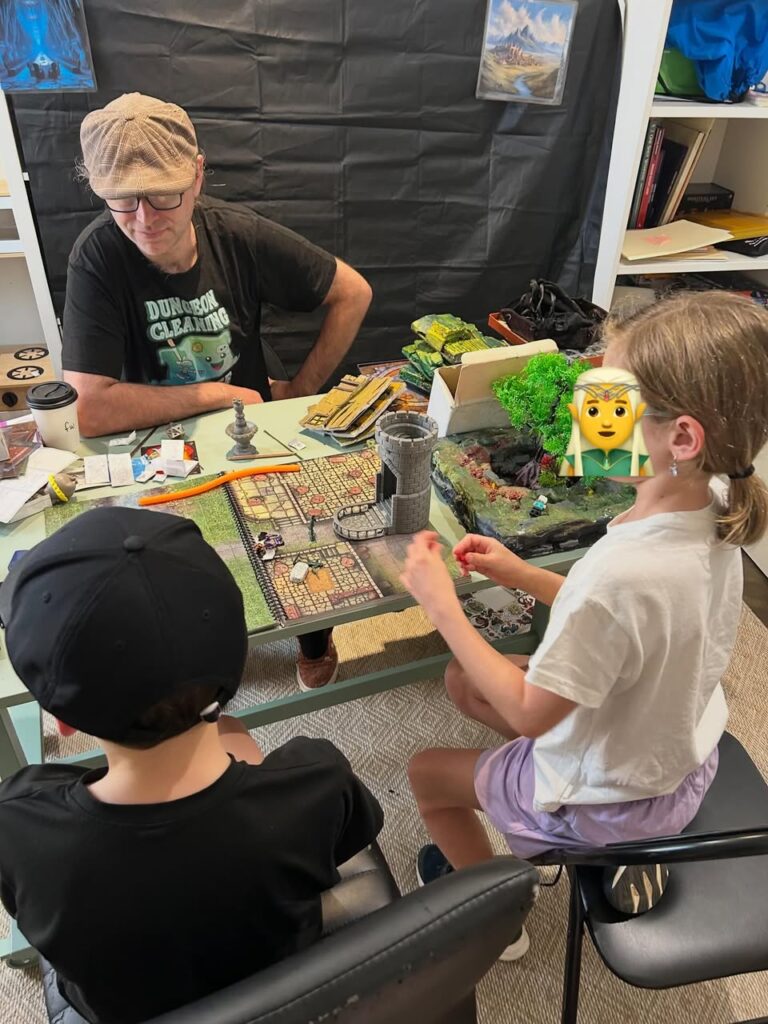
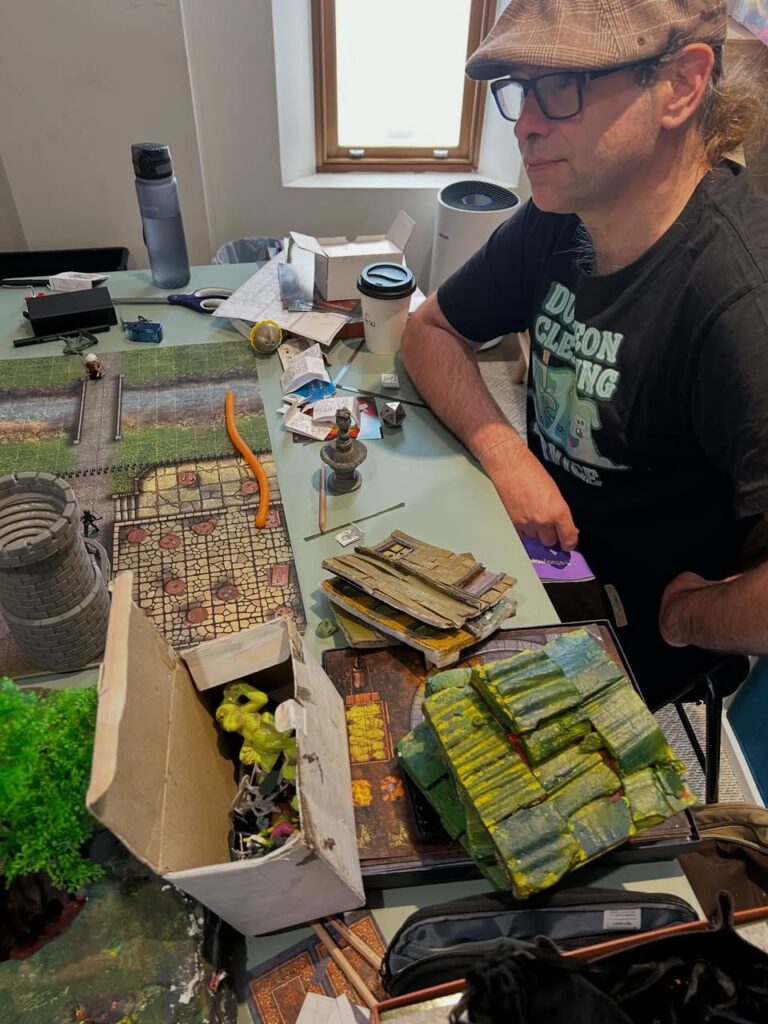
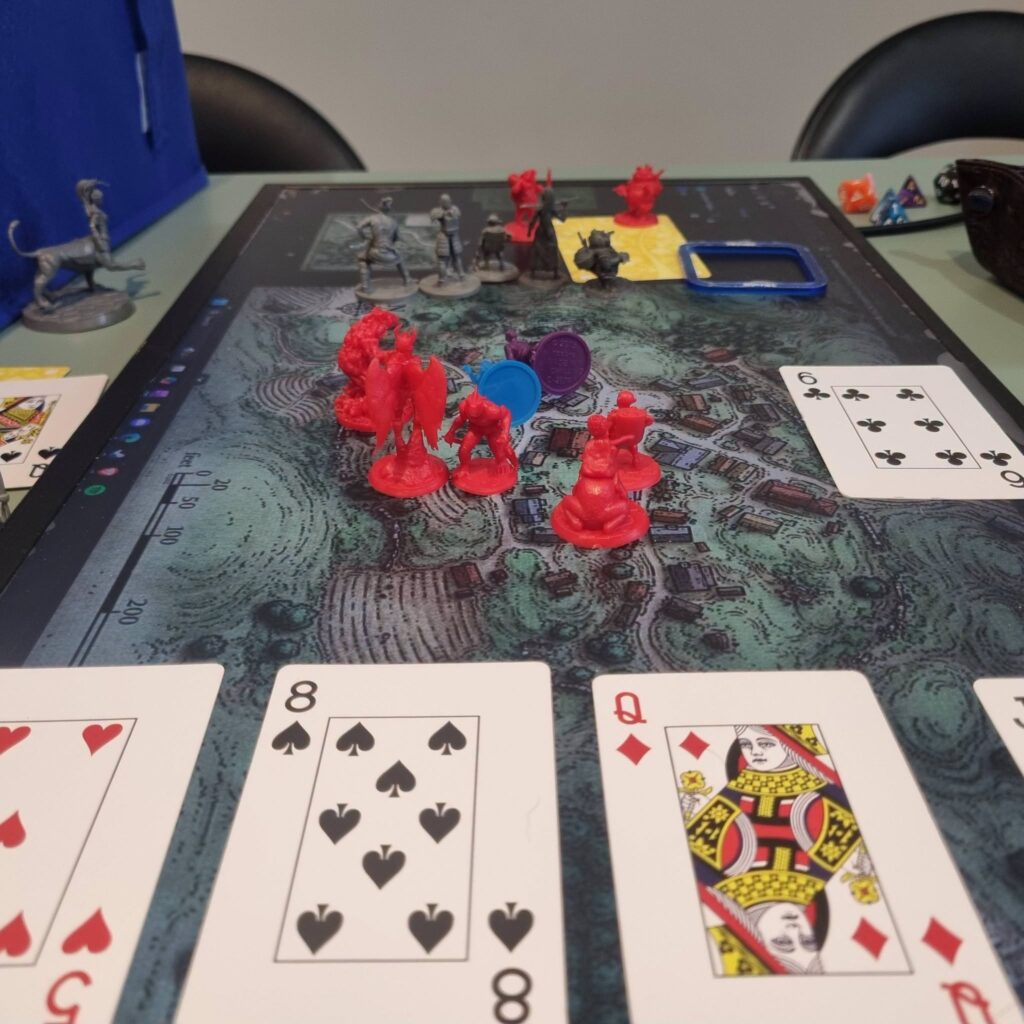
Tabletop games, including Dungeons & Dragons, offer opportunities to bring those interests into a shared activity. Players create characters, solve problems, explore imaginary worlds and make decisions together.
There isn’t necessarily a right or wrong way to participate. Some players enjoy taking the lead, while others prefer observing, planning or contributing occasionally.
Making friendships through shared activities
Making friends can be difficult when the expectation is to simply walk into a room and start a conversation.
Shared activities provide a natural starting point. Instead of having to think of something to say, participants have something to do together.
Over time, familiarity and shared experiences can make social interaction more comfortable.
Disability support that starts with the individual
As a recreation therapist and disability support worker, I believe recreational activities should be built around the person participating.
That means taking their interests seriously, allowing them to have a say in what happens and finding ways to participate that work for them.
Through Game Therapy, I use tabletop roleplaying games and other recreational activities as opportunities for connection, creativity and community participation.
The objective isn’t to turn every child into an extrovert. It’s to help them discover activities they enjoy and opportunities to connect with people who enjoy them too.
If you’re looking for activities for an autistic child or teenager, I’d be happy to discuss whether tabletop gaming or another recreational activity might be suitable.