What Can an NDIS Support Worker Do With Your Child?
When parents think about NDIS support workers, they might picture someone helping with personal care, transport or everyday household activities.
But disability support can also involve something much more enjoyable: helping children and young people participate in recreational activities, explore their interests and become part of their community.
For families looking for an NDIS support worker for an autistic child or teenager, finding someone who understands their interests can be just as important as finding someone with the right availability.
Support doesn’t have to feel like support
Not every meaningful activity needs to look like a formal program.
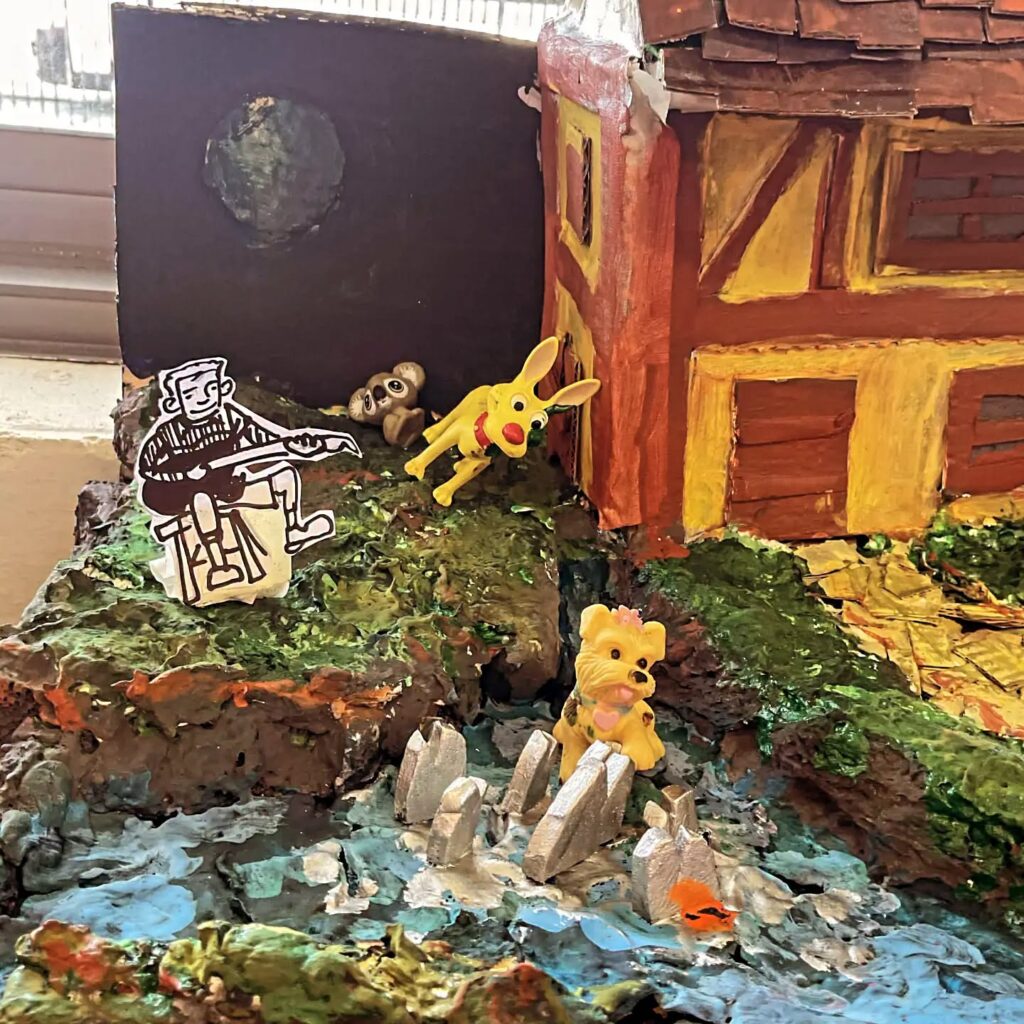
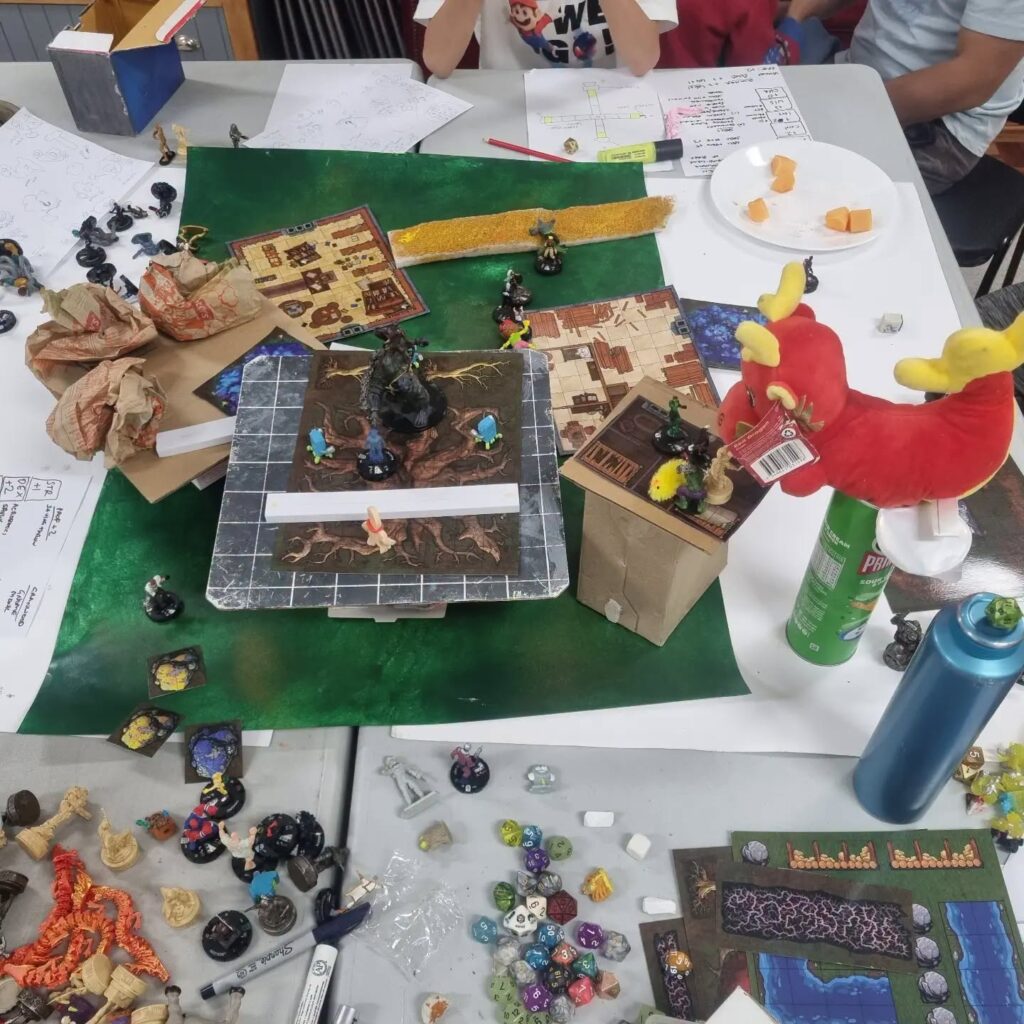
It might involve visiting a library, learning a new hobby, attending a gaming group, building a model, exploring a local community event or participating in a tabletop roleplaying game.
The important thing is that the activity is meaningful to the person participating.
For a young person who loves fantasy, Dungeons & Dragons might be far more appealing than a conventional social group.
For someone who enjoys strategy and problem-solving, board games might provide an opportunity to connect with other people.
Community participation and developing independence
Community participation is about having opportunities to take part in everyday life.
For children and teenagers with disability, this might include:
- Exploring recreational interests outside the home.
- Developing confidence in unfamiliar environments.
- Participating in group activities.
- Meeting people with shared interests.
- Learning new hobbies and skills.
- Developing greater independence through meaningful experiences.
These opportunities should be guided by the individual’s interests, goals and support requirements.
A different approach to disability support
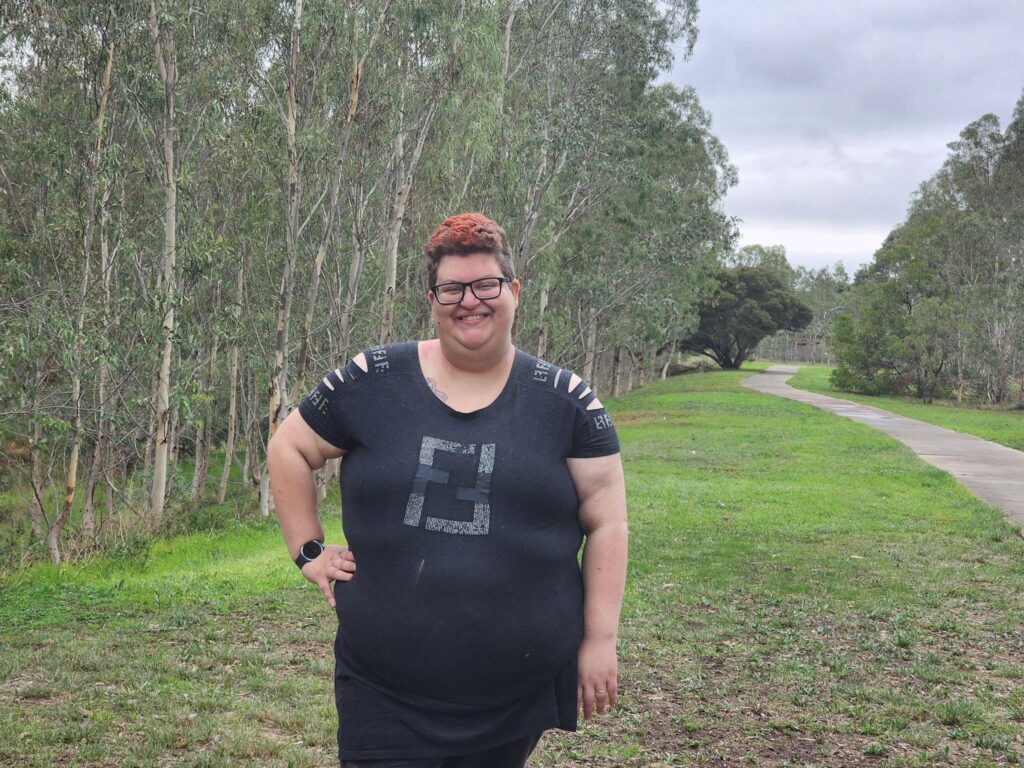
My background is in recreation therapy, counselling and disability support.
I have spent years working with people with different abilities, interests and support needs.
I particularly enjoy tabletop roleplaying games, including Dungeons & Dragons, because they offer a shared activity that can accommodate different personalities and ways of participating.
Some people love performing their characters. Others prefer tactical decision-making, storytelling, miniature painting or simply being part of the adventure.
There is room for everyone.
Can NDIS funding be used for recreational activities?
NDIS funding may be used for eligible disability-related supports that help participants work towards their plan goals.
Depending on the participant’s plan, support needs and the nature of the service, relevant support categories may include Assistance with Social, Economic and Community Participation.
Funding isn’t automatically available for recreational activities simply because someone has an NDIS plan. The support must meet applicable NDIS funding requirements.
I provide disability support services rather than claiming to deliver NDIS-funded gaming therapy or clinical therapeutic treatment.
Looking for something different?
If you’re a parent looking for an NDIS support worker who can help your child explore recreational interests, develop social connections and participate in activities they genuinely enjoy, I’d be happy to have a conversation.
Sometimes the best starting point isn’t another program designed around what a child should be doing. It’s discovering what they actually want to do.