Helping Neurodivergent Teenagers Make Friends
One of the concerns I hear from parents of neurodivergent teenagers is that their children don’t have many opportunities to make friends.
They might have plenty of interests, spend hours developing their hobbies and have an incredible imagination, but still struggle to find people they genuinely connect with.
For some teenagers, school provides their main opportunity for social interaction. When school becomes difficult, or they stop attending altogether, those opportunities can disappear.
Finding social groups for autistic teenagers and other neurodivergent young people can make a real difference to their opportunities for connection.
Friendship doesn’t have to start with conversation
We sometimes place too much emphasis on teaching young people how to socialise.
But friendship isn’t simply a collection of social skills. It’s also about having something in common, enjoying someone’s company and having opportunities to spend time together.
A shared interest can make that first interaction much easier.
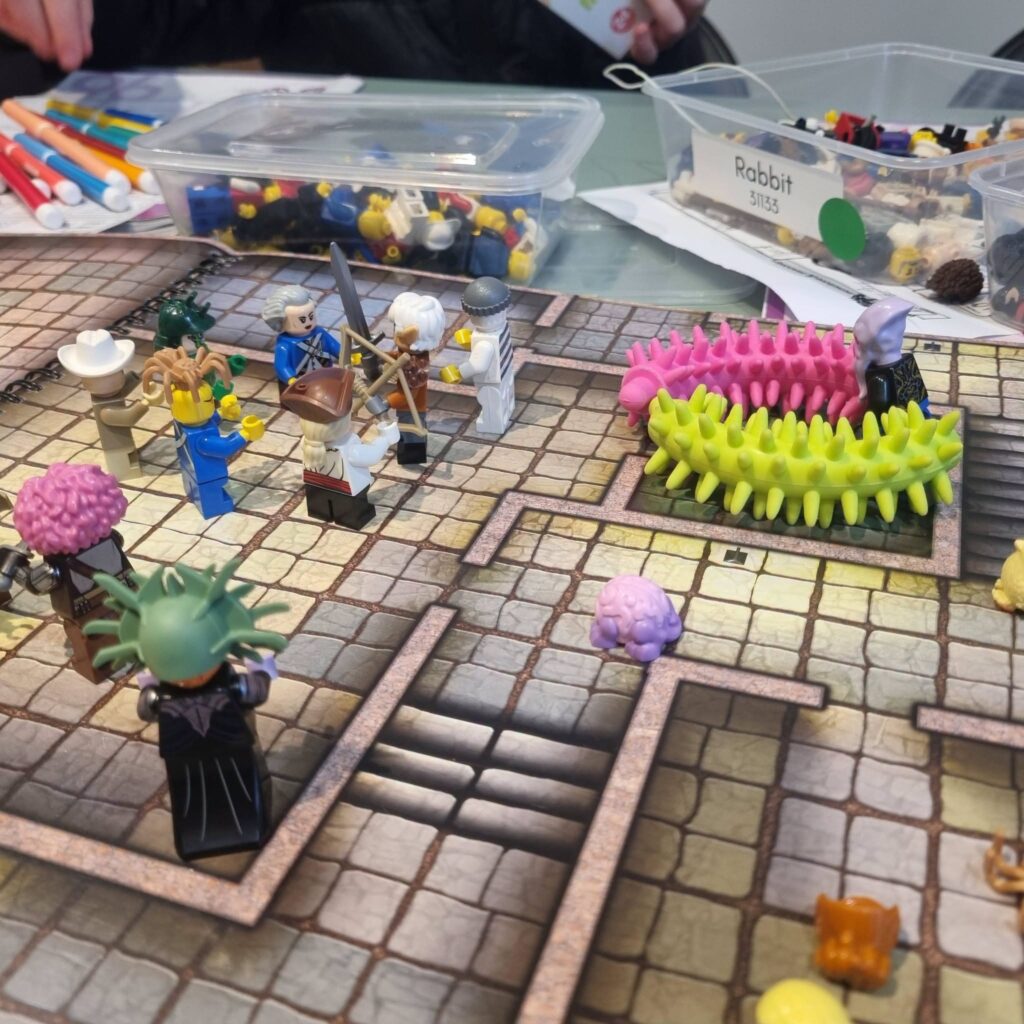
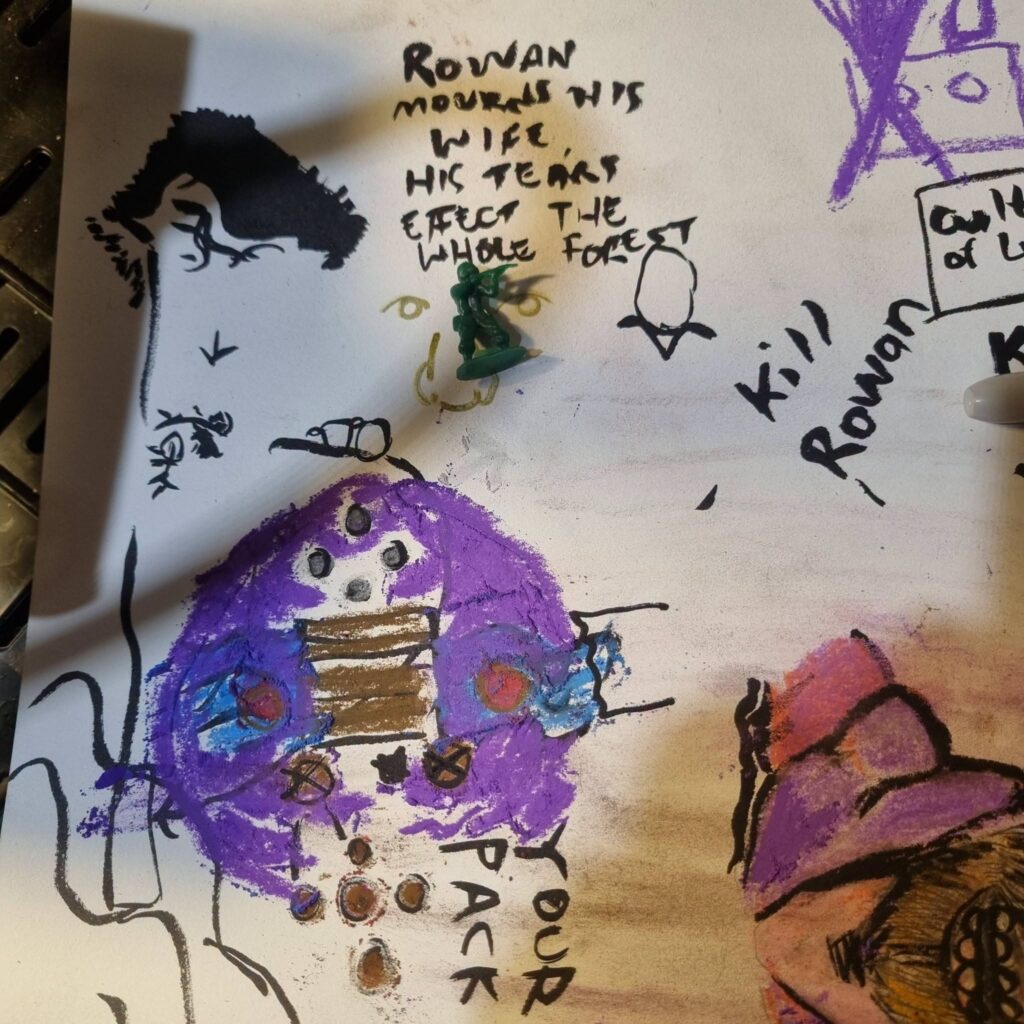
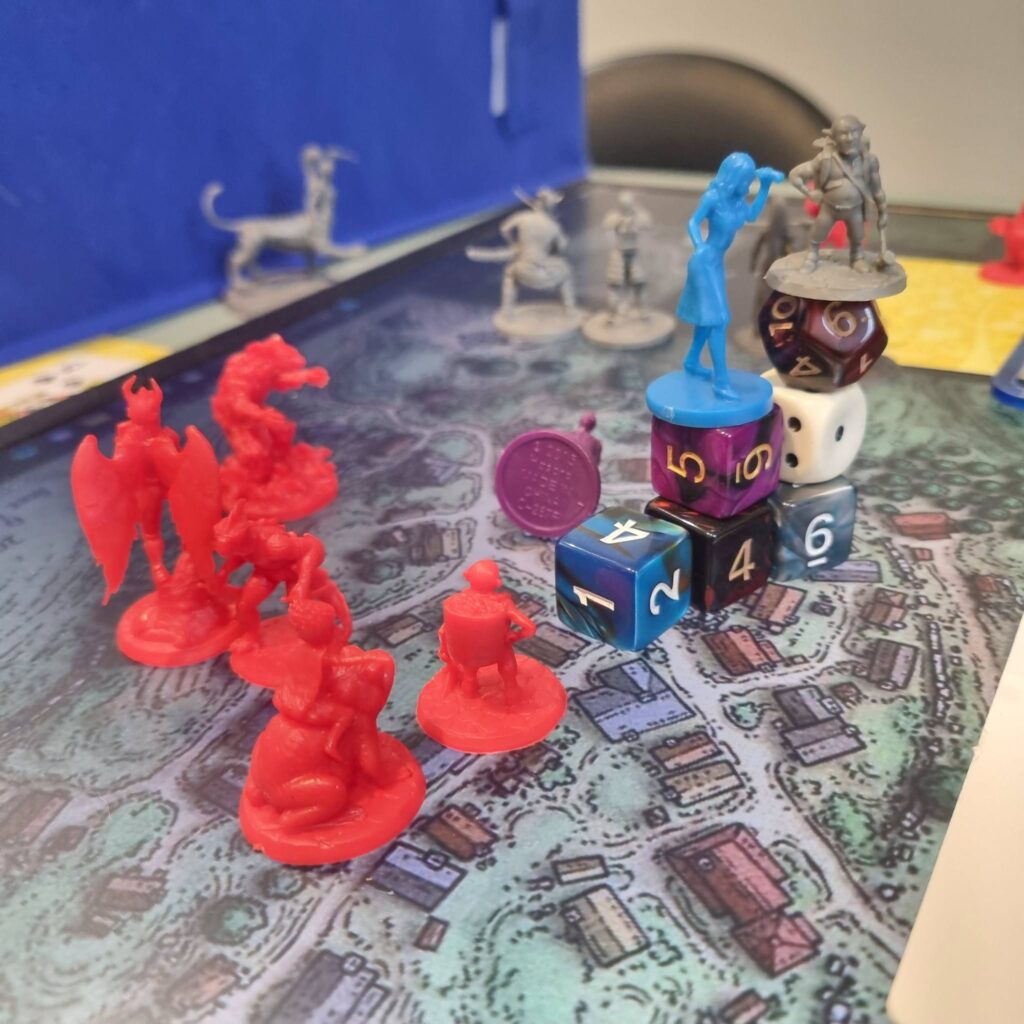
For example, tabletop roleplaying games give participants a common activity. They can create characters, explore imaginary worlds and work together to overcome challenges.
The conversation develops naturally around the game.
Finding the right social environment
Not every social group suits every teenager.
Some prefer smaller groups. Others enjoy online interaction before meeting people face-to-face. Some need time to become comfortable with unfamiliar people and environments.
A good recreational activity should allow room for these differences.
I prefer a person-centred approach where participants have opportunities to contribute without being pressured to participate in exactly the same way as everyone else.
Building friendships around lifelong interests
One of the things I particularly enjoy about tabletop roleplaying games is that they aren’t just activities for children.
Dungeons & Dragons can become a lifelong hobby. The people someone meets through gaming can become part of their social circle well into adulthood.
That’s an important distinction. We’re not just looking for something to occupy a teenager for an afternoon. We’re looking for interests and communities they might continue enjoying for years.
Social opportunities through disability support
My work combines recreation, disability support and tabletop gaming.
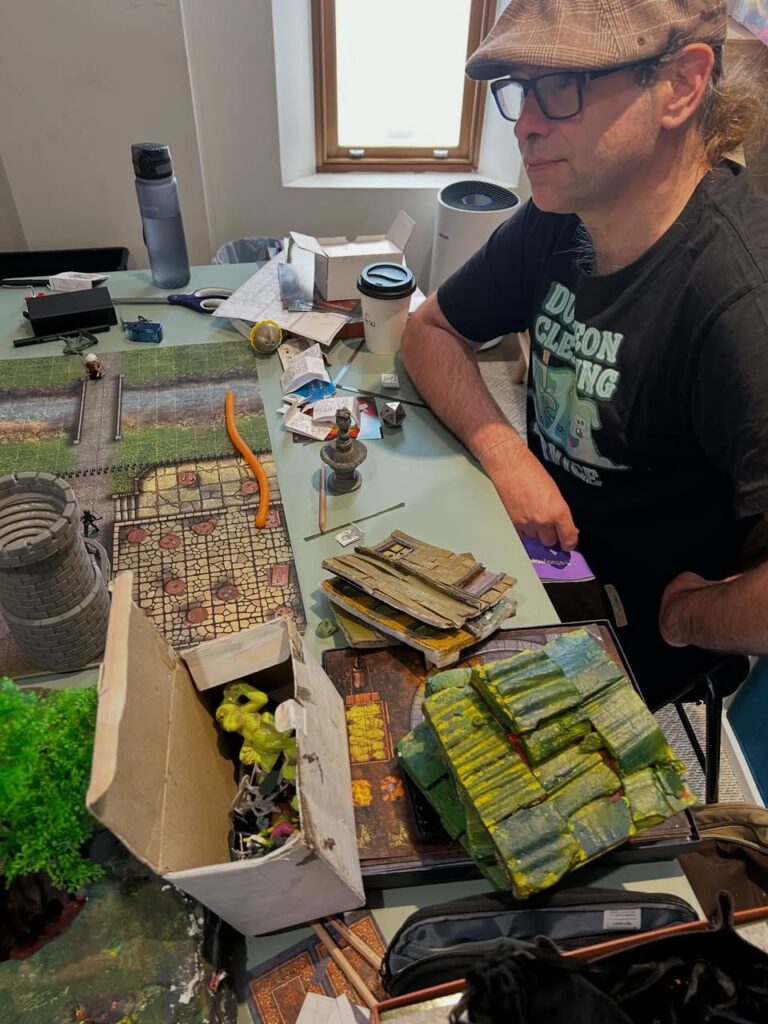
I work with individuals and groups, using activities such as Dungeons & Dragons to create opportunities for shared experiences, communication, creativity and social connection.
If your teenager is finding it difficult to make friends or access suitable social activities, it may be worth exploring a recreational group built around their interests.
Sometimes finding your people starts with finding something you all enjoy doing.