Children with cerebral palsy have individual interests, personalities and ambitions. They also have the same need as other children to play, make friends, explore hobbies and enjoy their free time.
Finding suitable recreational activities can sometimes require a little creativity. Some activities may need changes to equipment, rules, physical access or the way instructions are delivered.
But a physical disability shouldn’t mean missing out on the enjoyment and social opportunities that recreation can provide.
Finding activities that work for the child
There is no single list of activities that suits every child with cerebral palsy.
One child might enjoy music, art, storytelling or building models. Another might love strategy games, fantasy adventures, collecting or spending time outdoors.
The starting point should be the child’s interests rather than assumptions about what they can or cannot do.
Some children may need physical assistance to participate. Others may need adapted equipment, more time to complete an activity or a different way to communicate their choices.
The aim is to make participation possible without taking away the child’s opportunity to make decisions and contribute.
Adapting games and activities
Games can be particularly useful because they can often be changed without losing what makes them enjoyable.
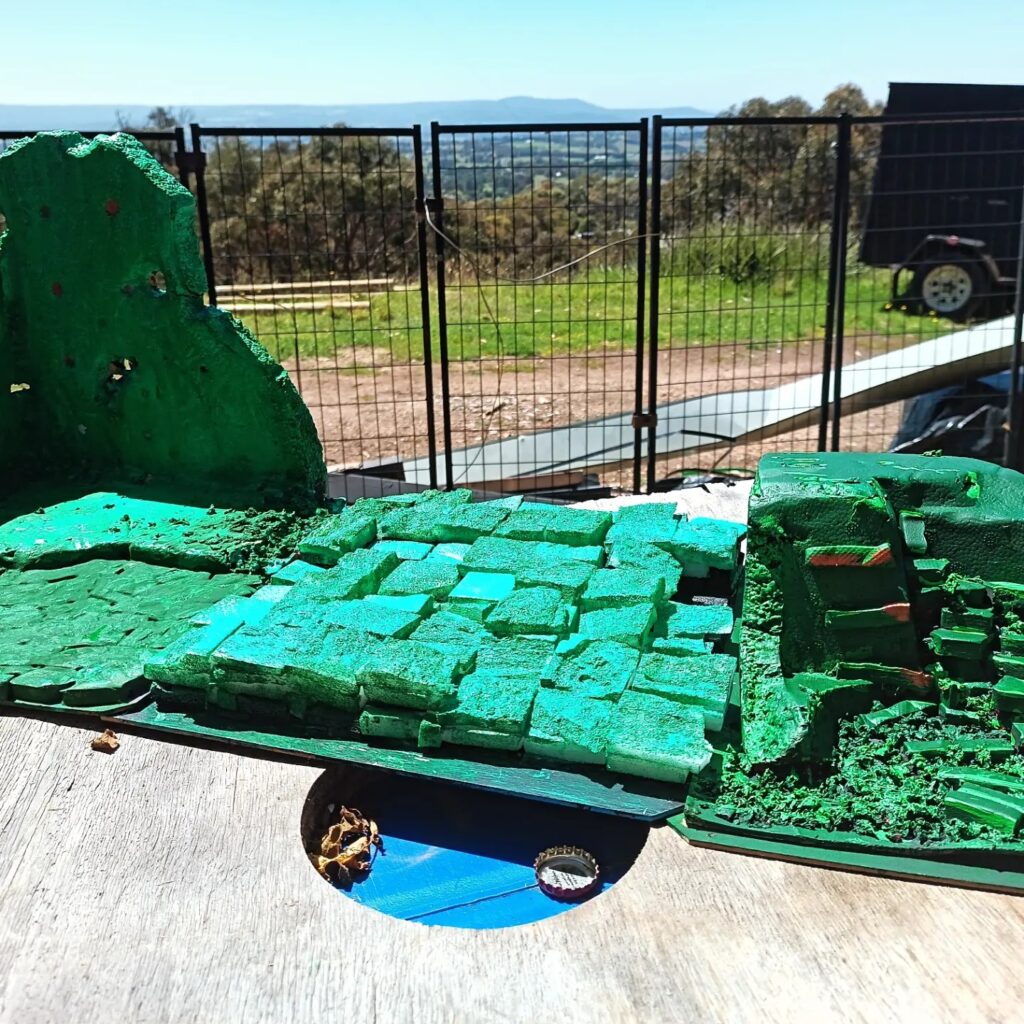
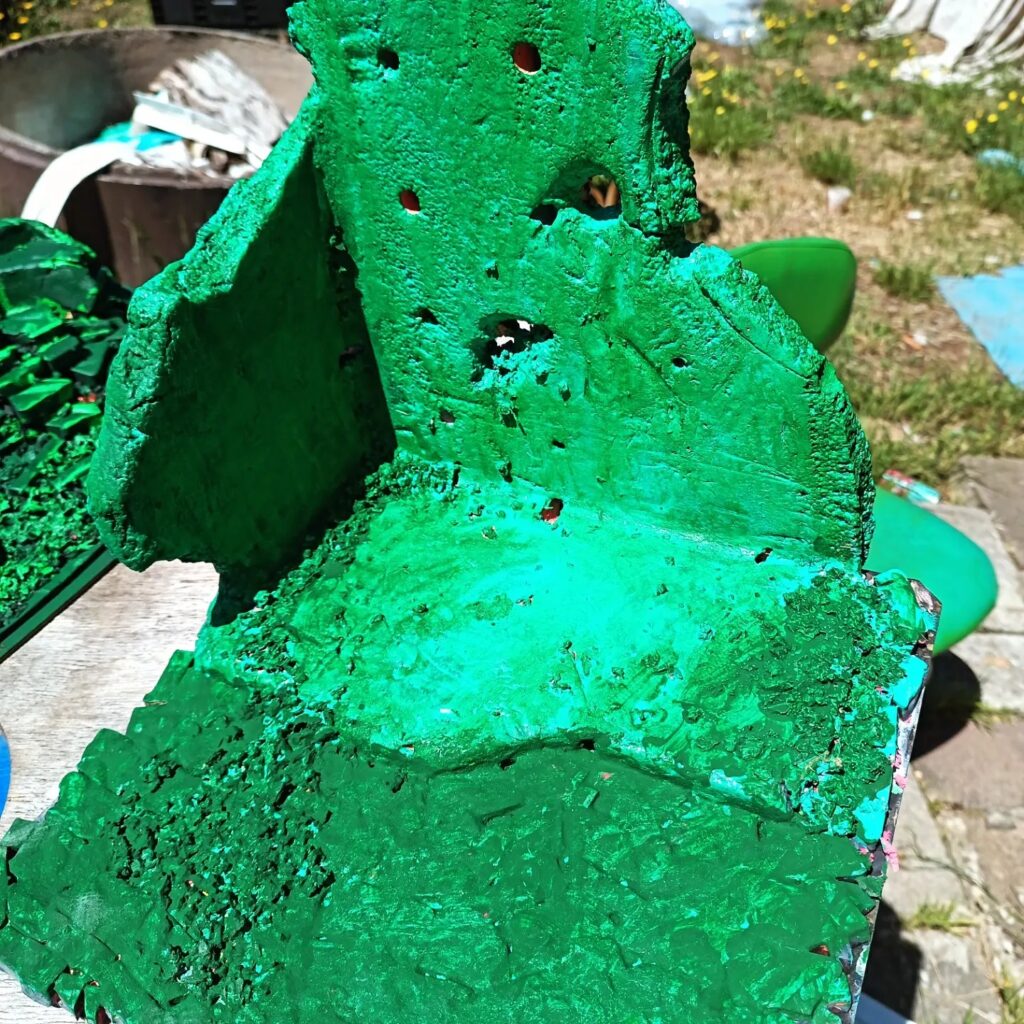
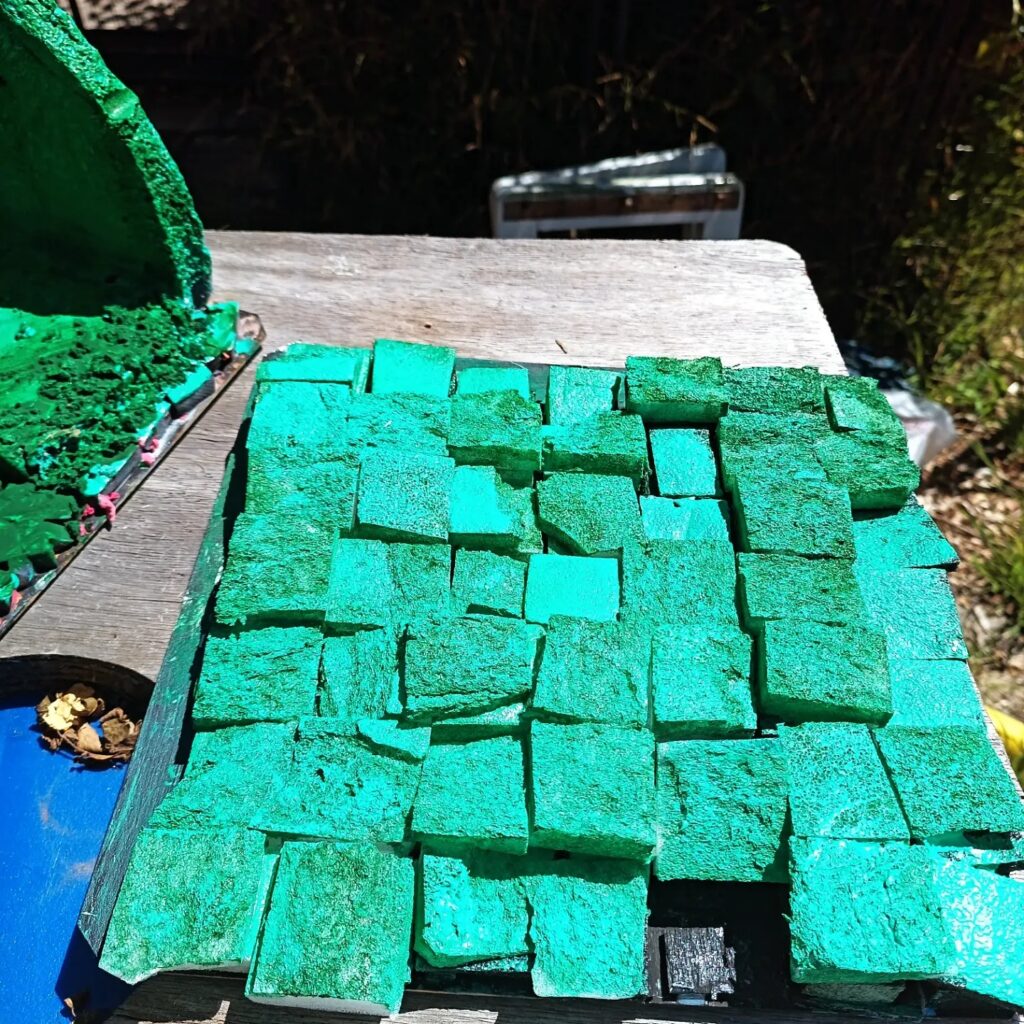
At Game Therapy, I adapt existing tabletop games to suit the abilities and preferences of the person playing.
For example, Dungeons & Dragons can be modified so a player can make meaningful character and story decisions without needing to manage complicated character sheets or extensive rules.
Star Wars: X-Wing can be adapted by changing how miniatures are handled, simplifying movement and combat rules, or providing assistance with physical components while leaving strategic decisions to the player.
Board games can also be adjusted with larger pieces, accessible layouts, alternative ways of taking turns or additional time.
These changes can allow a child to enjoy the challenge, imagination and social experience of a game without being excluded by its original design.
The social benefits of shared interests
Recreation can create opportunities for children to spend time with others in a relaxed environment.
A shared activity gives children something to focus on together. It can provide natural opportunities for communication, cooperation, humour and friendship.
For a child who finds it difficult to join conventional sporting or social activities, a small group built around a shared interest may be a more comfortable starting point.
It is important that children are not expected to participate in exactly the same way. One child might communicate verbally, another might use assistive communication, and another might contribute through choices, gestures or actions.
Different ways of participating should be welcomed.
Recreation is part of childhood
Children with cerebral palsy often have many demands placed on their time, including appointments, equipment, education and therapy.
These supports may be important, but children also need time to do things simply because they enjoy them.
A recreational therapy perspective recognises that meaningful leisure is part of wellbeing and quality of life. Recreation can provide opportunities for confidence, self-expression, independence and belonging.
A child’s hobby doesn’t have to be chosen because it will improve a particular skill. It can be worthwhile simply because the child loves doing it.
NDIS funding and relevant support items
Where a child has disability-related support needs that affect their ability to access activities, their NDIS plan may include funding for assistance with community, social and recreational participation.
Relevant support items may include:
Core – Assistance with Social, Economic and Community Participation (Category 04)
04_104_0125_6_1– Access Community Social and Recreational Activities, Weekday Daytime.04_103_0125_6_1– Access Community Social and Recreational Activities, Weekday Evening.04_105_0125_6_1– Access Community Social and Recreational Activities, Saturday.04_106_0125_6_1– Access Community Social and Recreational Activities, Sunday.
For group activities:
04_102_0136_6_1– Group Activities, Weekday Daytime.04_103_0136_6_1– Group Activities, Weekday Evening.04_104_0136_6_1– Group Activities, Saturday.04_105_0136_6_1– Group Activities, Sunday.
Capacity Building – Increased Social and Community Participation (Category 09)
09_009_0117_6_3– Skills Development and Training.
This Capacity Building item is only appropriate where the service meets its specific skills-development requirements. It is not simply a code for attending a recreational activity.
The NDIS may fund eligible support to help a child participate, but this does not automatically include the cost of toys, games, equipment, materials or activity fees. The participant’s plan and funding arrangements determine what can be claimed.
Making room for enjoyment
Children with cerebral palsy shouldn’t have to miss out on hobbies because an activity hasn’t been designed with them in mind.
Sometimes all it takes is a different set of rules, a change of equipment, a little extra time or someone willing to find another way to participate.
At Game Therapy, I believe the activity should work for the person, not the other way around.
Every child deserves the opportunity to discover what they enjoy and share those interests with others.