One of the questions parents frequently ask is whether their child’s NDIS funding can be used for social activities, hobbies and recreational programs.
The short answer is that it may be possible, depending on the participant’s plan, disability-related support needs and the type of assistance being provided.
The NDIS isn’t exclusively about personal care, medical appointments and equipment. It can also help people with disability participate in their communities, develop independence and access activities that are meaningful to them.
Understanding Assistance with Social and Community Participation
Many participants have funding under the Core Supports budget for Assistance with Social, Economic and Community Participation.
This funding can be used for eligible disability-related support that helps someone participate in activities outside their home.
For example, a support worker might assist a young person to:
- Attend a recreational group.
- Participate in community activities.
- Access a hobby or interest.
- Develop confidence participating in unfamiliar environments.
- Meet other people with shared interests.
- Become more independent when accessing their community.
The relevant support item for individual community participation includes:
04_104_0125_6_1 – Access Community Social and Recreational Activities – Standard – Weekday Daytime
Other item numbers apply to evenings, weekends and public holidays.
What about Dungeons & Dragons and gaming groups?
Recreational activities don’t have to involve traditional sports or organised exercise.
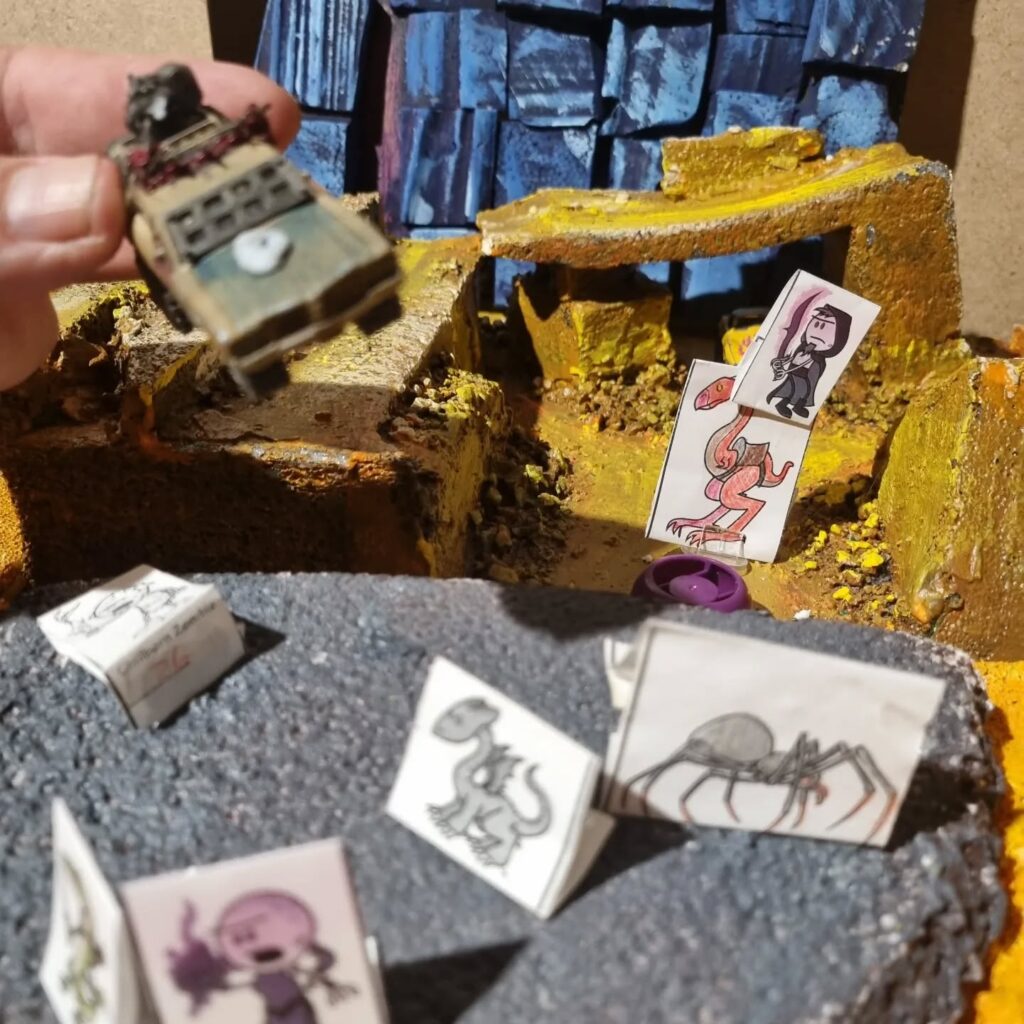
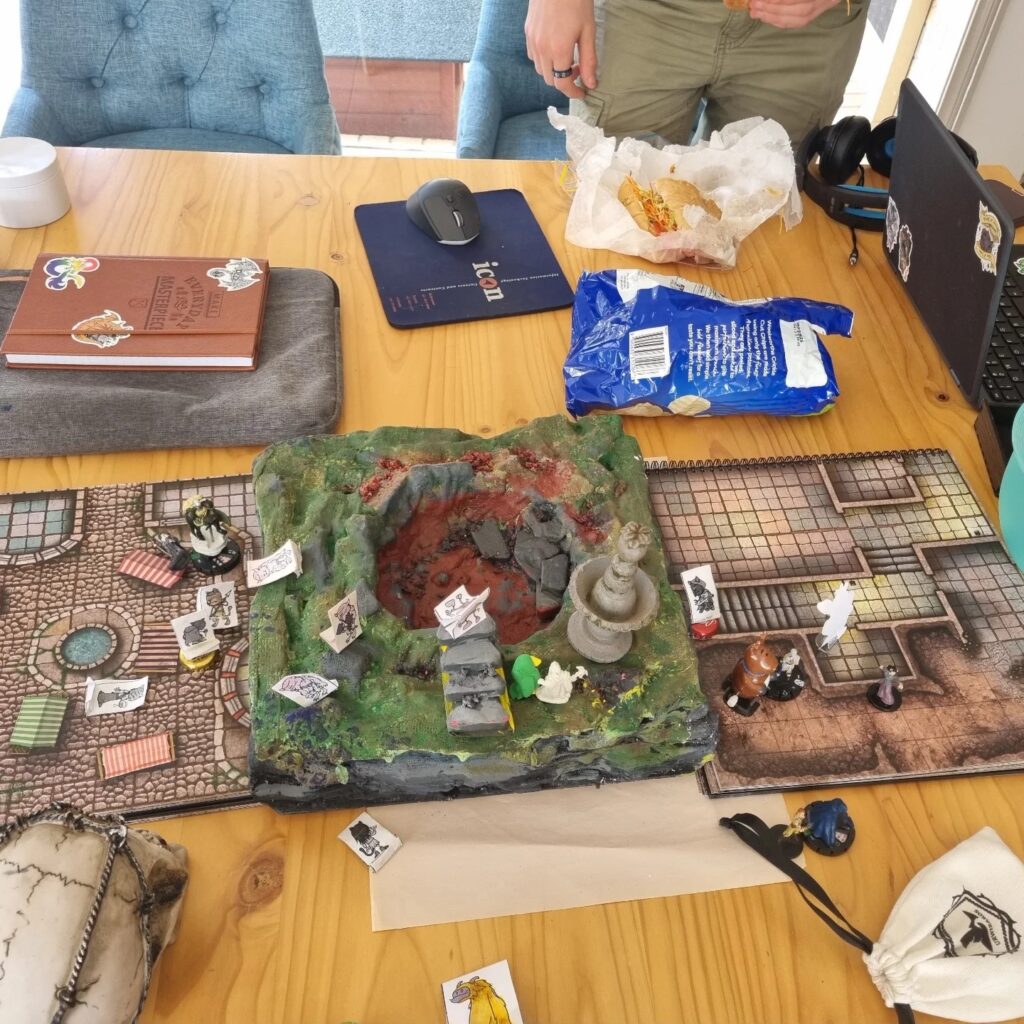
For some young people, tabletop gaming, board games, creative activities and roleplaying games provide meaningful opportunities to participate in social and recreational activities.
Dungeons & Dragons, for example, involves shared storytelling, problem-solving, collaboration and imaginative play.
Where a participant requires disability-related assistance to access or participate in an activity, a support worker may be able to provide that assistance using appropriate NDIS funding.
The funding is for the eligible disability support, not automatically for the game, hobby or recreational expense itself.
Does the NDIS pay for the activity?
This is an important distinction.
NDIS funding generally doesn’t cover ordinary recreational expenses such as personal entertainment, tickets, memberships or the cost of a hobby simply because someone has a disability.
The disability-related support required to participate may be fundable, while the activity itself remains the participant’s responsibility.
Does every NDIS participant have this funding?
No. NDIS plans are individual.
Parents should check their child’s available Core Supports funding, applicable support categories and plan conditions before arranging a service.
The NDIS also requires supports to be related to the participant’s disability, consistent with their plan and meet the relevant funding rules.
Finding recreational support
At Game Therapy, I provide disability support through recreational activities, tabletop roleplaying games and opportunities for social participation.
My approach is to start with the individual: their interests, abilities and the activities they would actually enjoy.
If you’re unsure whether your child’s NDIS funding could be used for recreational support, it’s worth discussing the proposed service with your plan manager or NDIS contact before commencing.
Useful NDIS information: NDIS – What are Core Supports?